
Love: A Bold Act of Defiance
Debra Oaks Coe
12/3/20251 min read
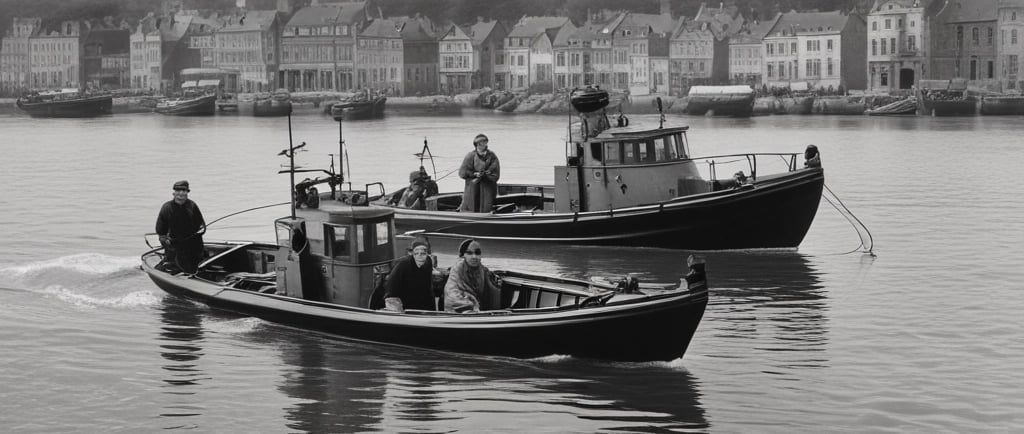

In the darkest of nights, Denmark's Mutiny Against Indifference
When Germany occupied Denmark in 1940, the Danish people kept their king, their government, and, most unusually, their conscience. When the Nazis proposed antisemitic laws, Denmark declined. Jewish citizens, they said, would continue to be treated as equal citizens—a policy that, in 1940, was revolutionary.
Denmark became the only Nazi-occupied country where Jews were never required to wear the yellow star. The Danes saw no reason to join what they considered a tasteless experiment in fascist fashion.
By 1943, the Nazis imposed full control and ordered the deportation of Denmark’s Jews. Word spread quickly, and Danes responded with scandalous disregard for the law—expressed through acts of organized decency as they smuggled nearly all of their Jewish neighbors across the sea to Sweden in fishing boats and rowboats.
Despite their best efforts, nearly 500 Danish Jews were still captured. But the Danes refused to let the matter drop. They demanded Red Cross inspections, sent care packages, and made themselves such an administrative nuisance that their Jewish prisoners were treated better and never sent to death camps. Before the war ended, Denmark even negotiated their release and sent forty buses into Germany to bring their people home.
This was not a spontaneous moral awakening. “Love your neighbor” had been a fixture of Danish public education for decades. The results speak for themselves: less than 2% of Denmark’s Jewish population perished, compared to 90% in Poland. Loving one’s neighbor, though often dismissed as naïve, actually has rather impressive survival rates.